dére is a sustainable clothing line that provides timeless pieces of classic style that will last a lifetime, challenging brands that provide short lived styles that merely live trend to trend.
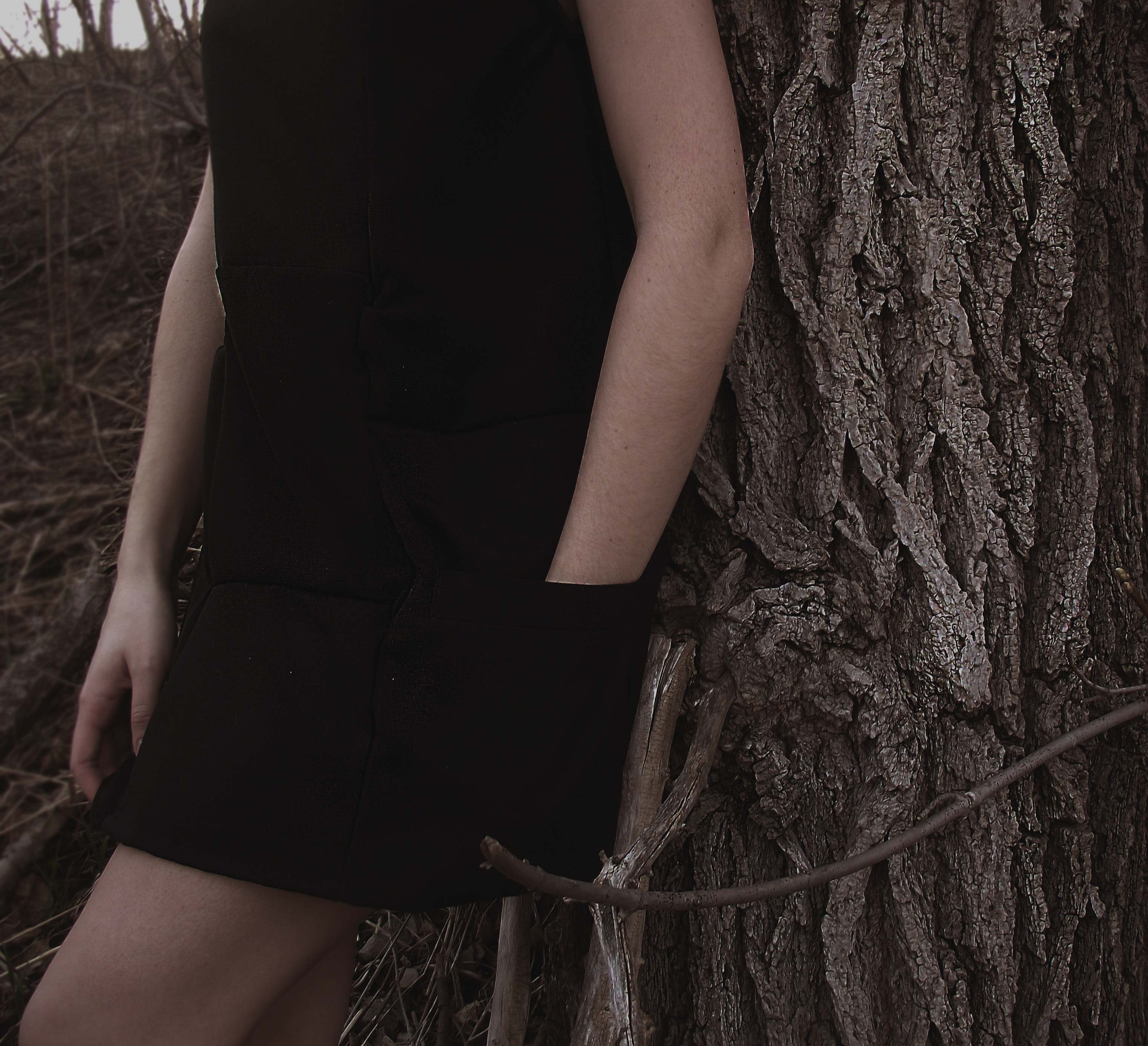
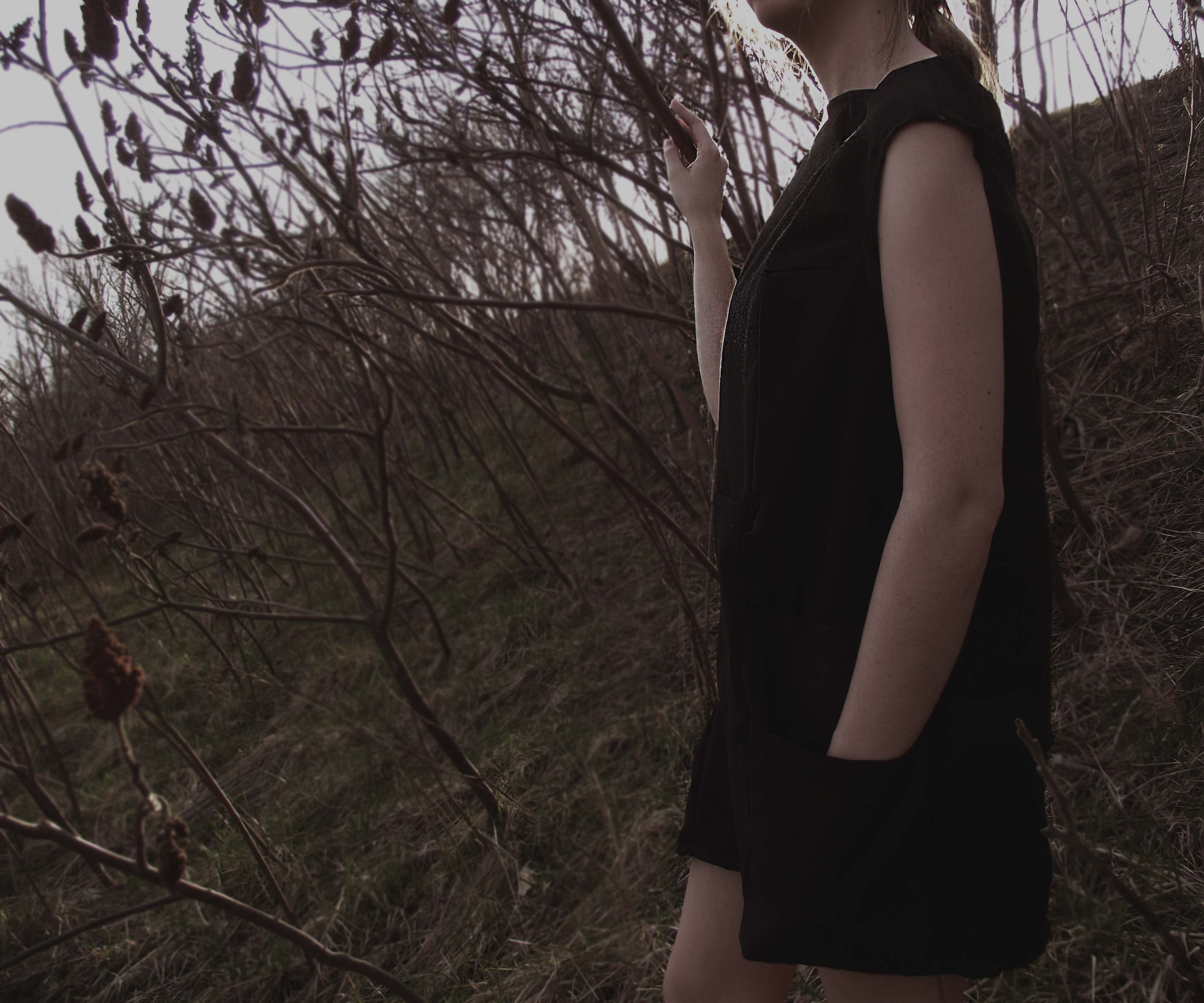
dére
proposes that sustainability lives in several aspects of a product. Aside from
material it must also defy social obsolesce. It is
important that pieces be made to not only sustain wear and time but
also fads
and trends.
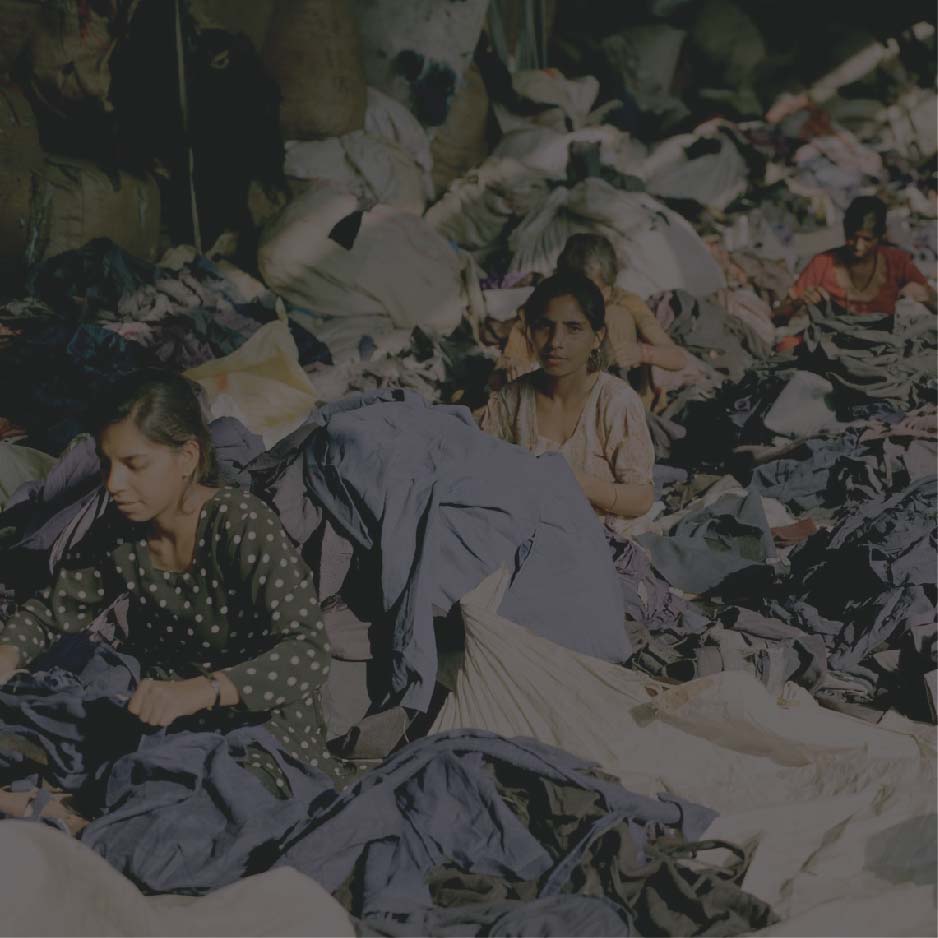
85% of textile waste is tossed straight into the garbage.
95% of the clothes North Americans throw away into landfills each year could be reused or recycled.
The fashion industry is structured to make individuals feel constantly out of trend with up to 52 micro seasons a year. Retailers thrive off the business model of low quality and high volume.
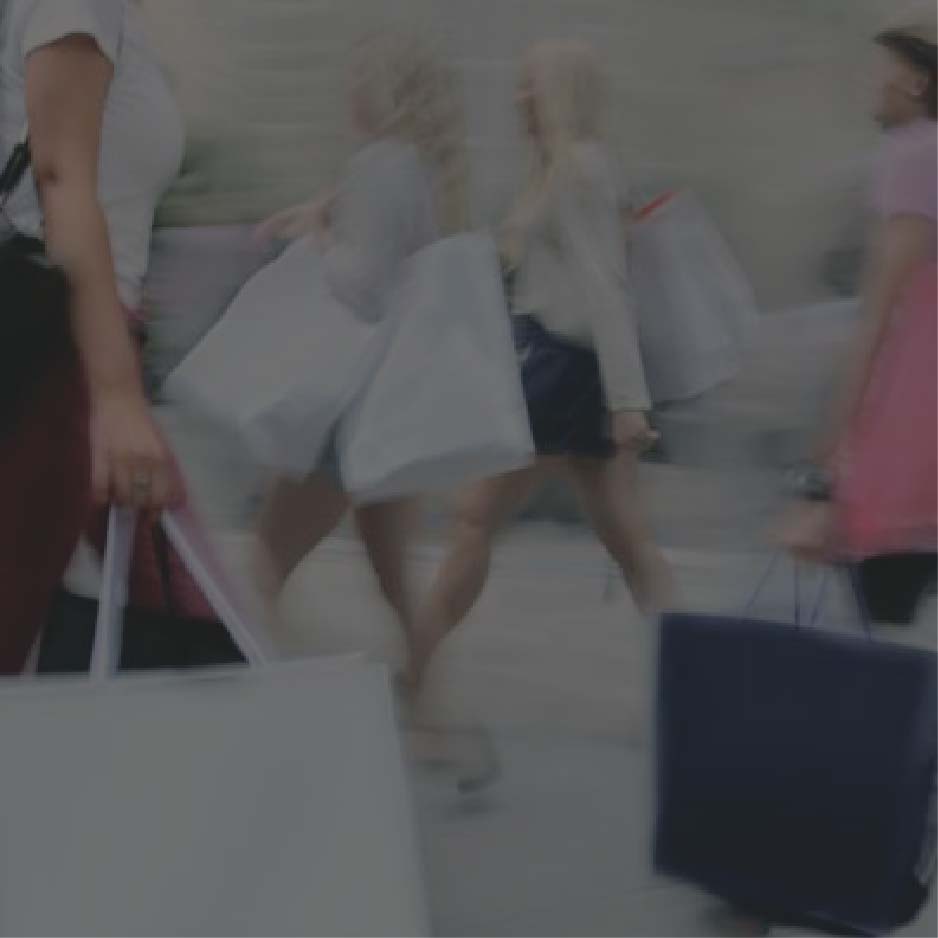
The objective of large retailers is for consumers to buy as many garments as possible and as quickly as possible. Due to these factors we are going through clothing faster and faster each year.
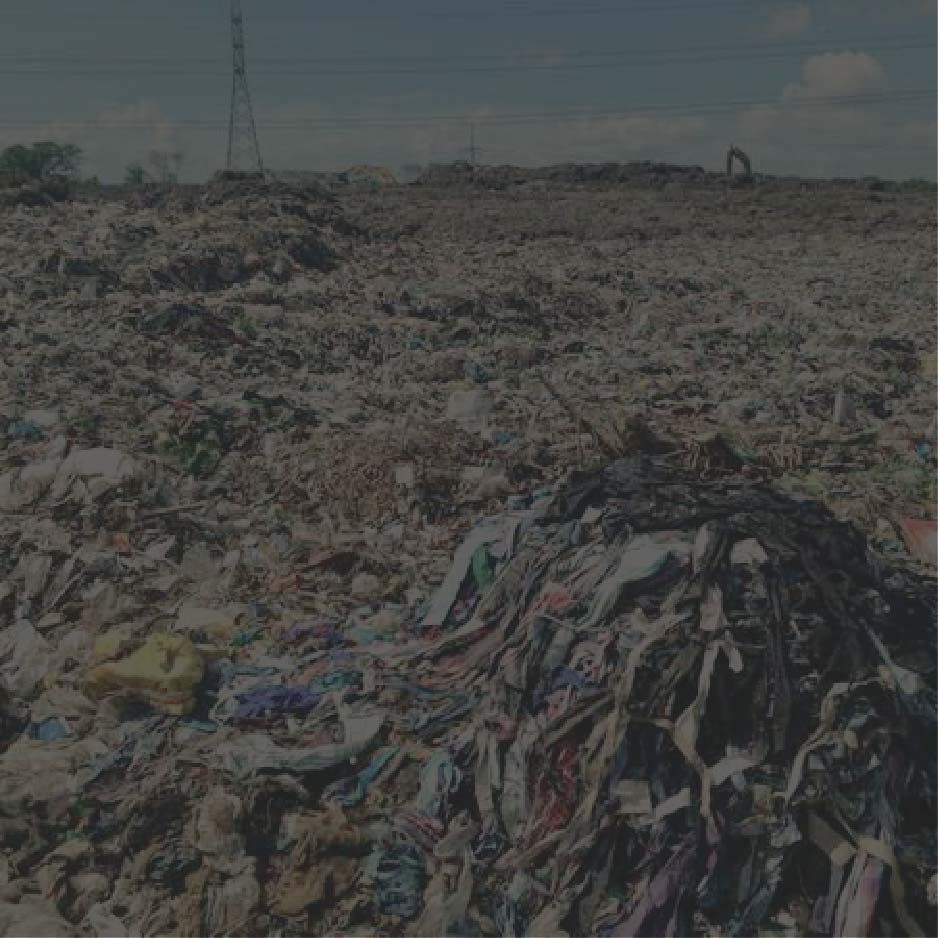
In
contrast to excessive consumption, massive amounts of non-biodegradable textile
waste is thrown away in
similar extremes.
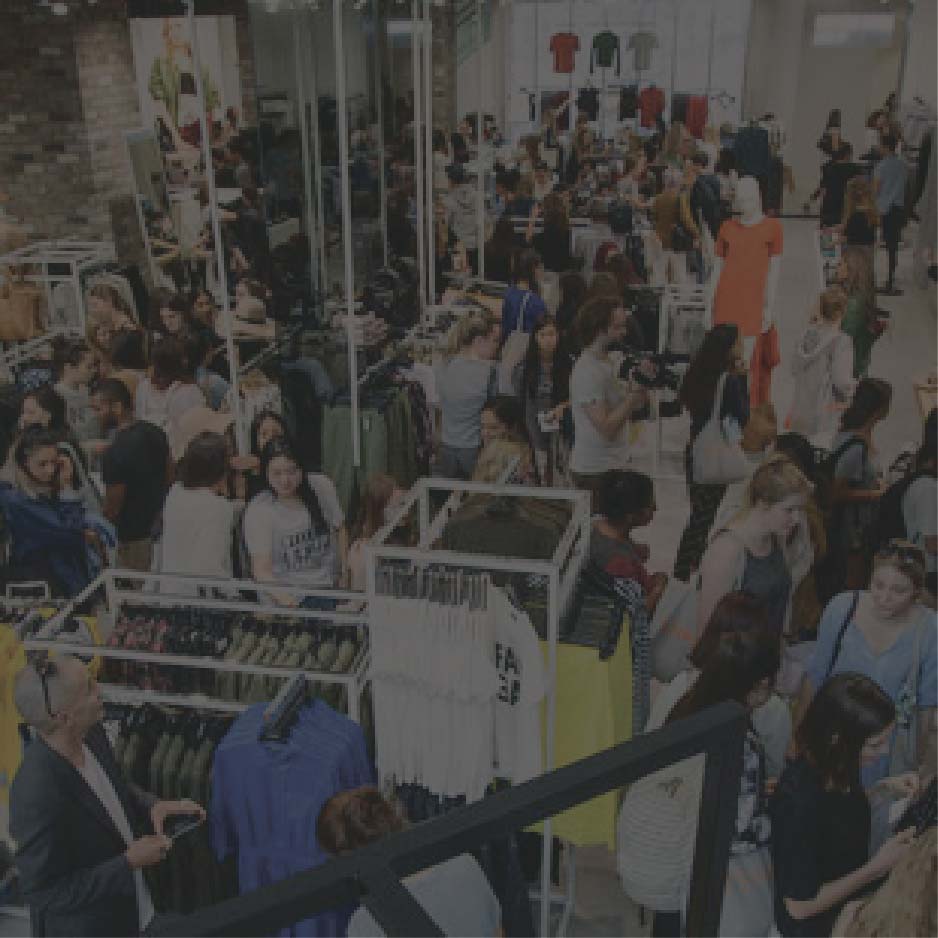
A largely growing practice in the fashion industry whereby production processes are accelerated in order to get new trends to the market as quickly and cheaply as possible. The selling of cheap clothes made to be worn a couple of times and then to be disposed of.
“When
we buy something it is a
moral act and there are a chain reaction
of consequences. So lets begin to be more mindful and choose things that actually
support life and not take
it away.”
– Andrew Morgan, The True Cost
Deconstructing something to put it back together in a new way is such a beautiful undertaking. It is something that occurs
in nature but can also be done to
create clothing.
dére stands for deconstruction and reconstruction. It focuses on the importance and beauty of making the old new again.
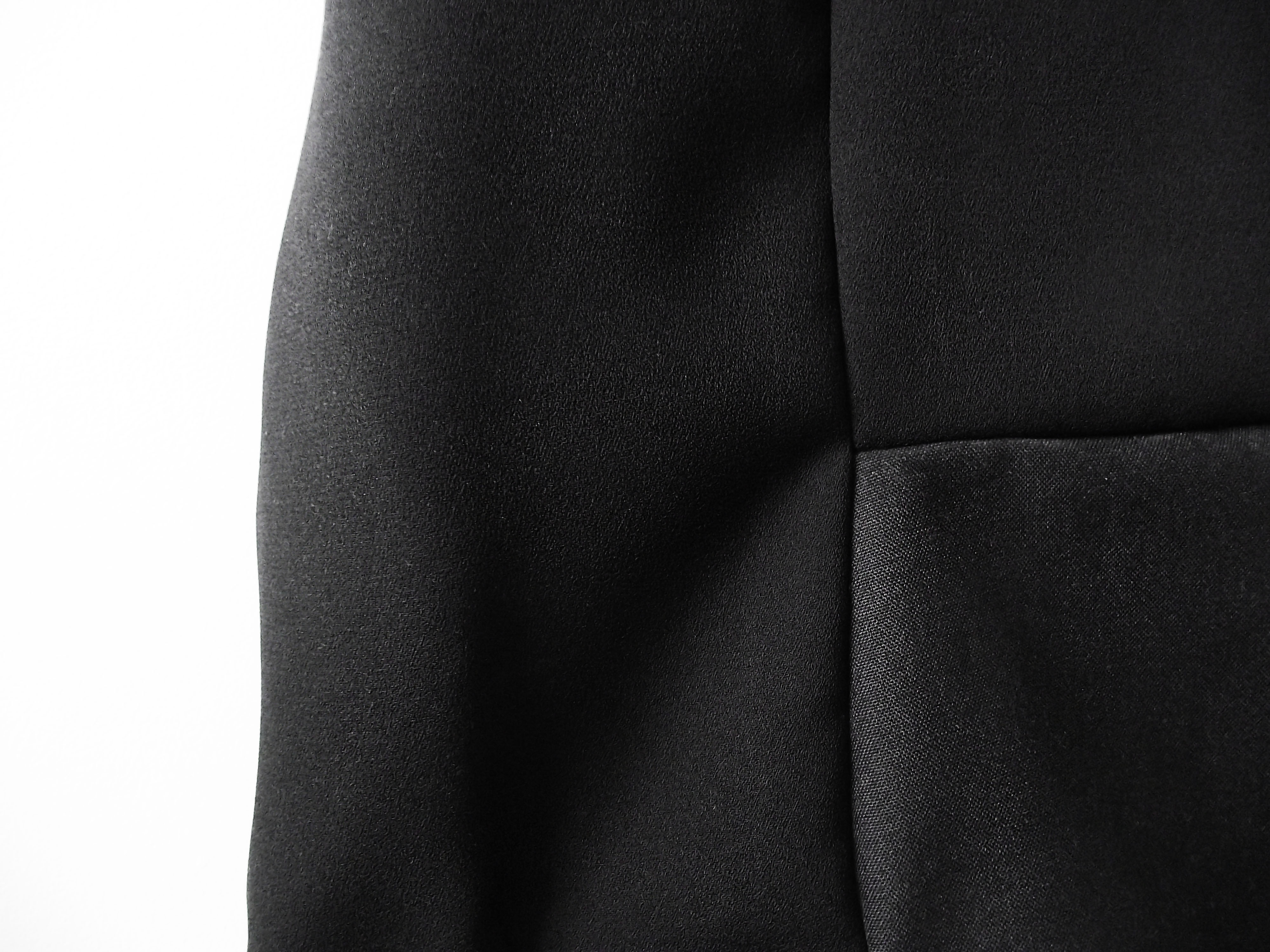
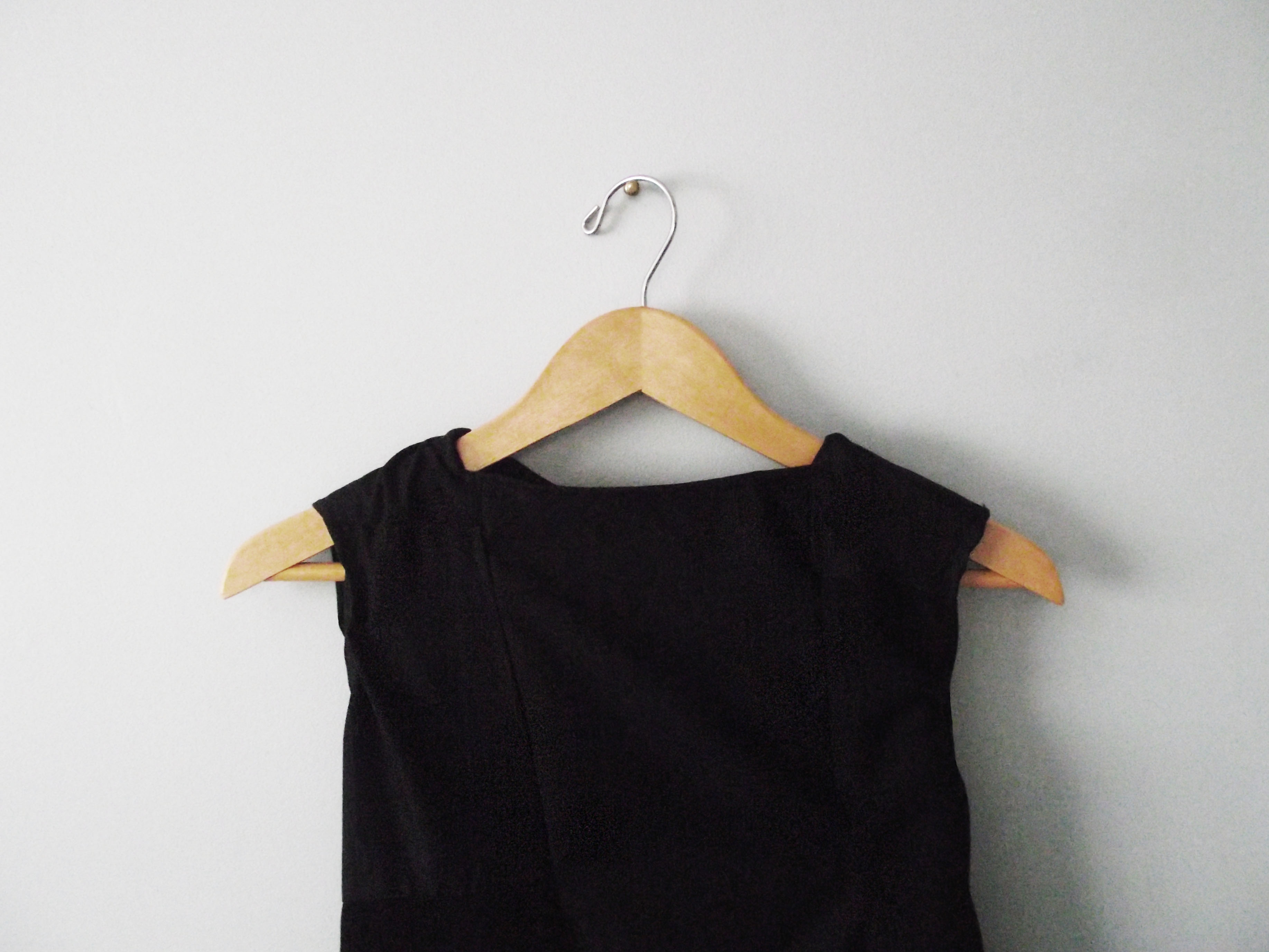
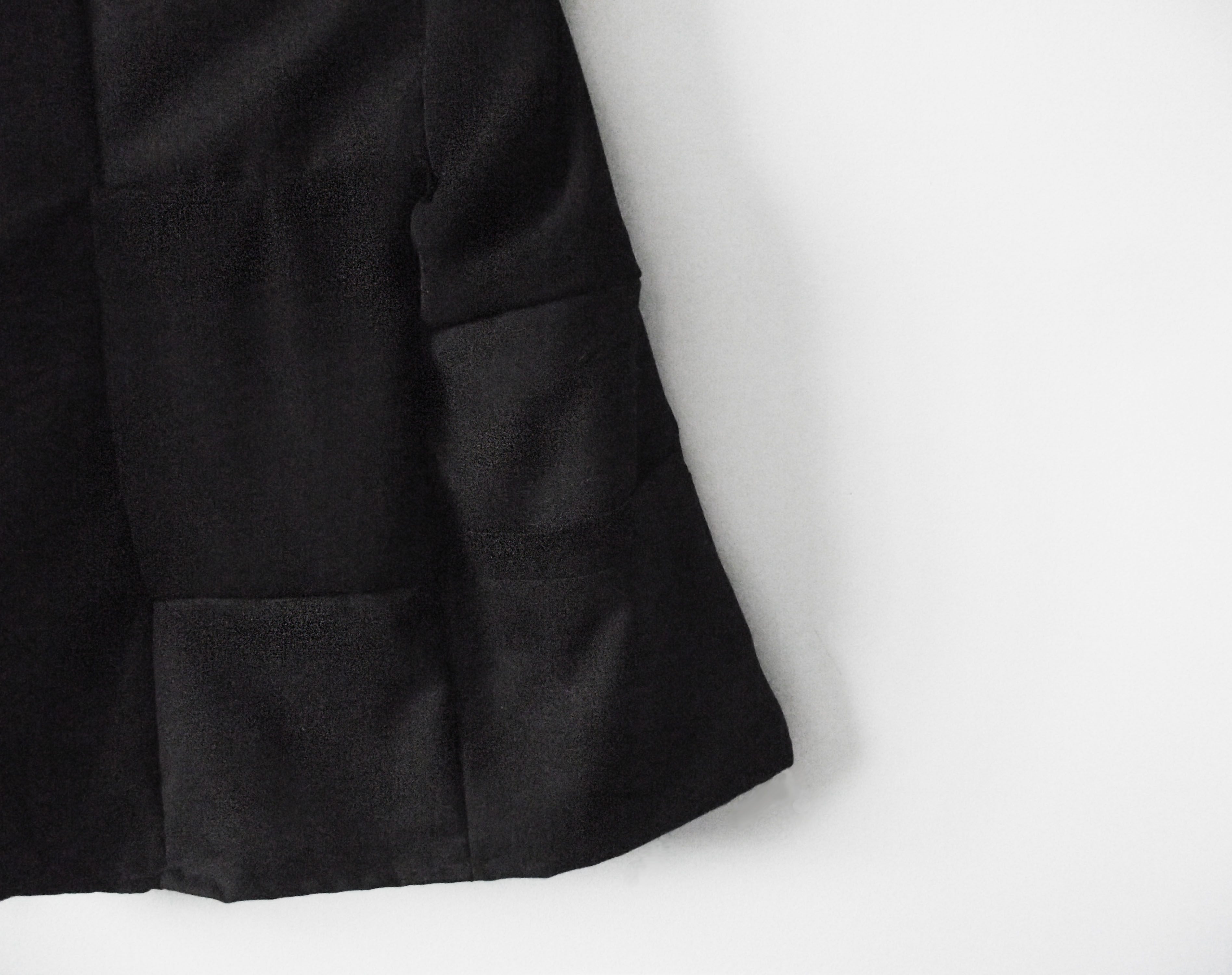
Through the harbouring of salvaged wears,
dére is able to give existing textiles a second life. One that is lasting and significant.
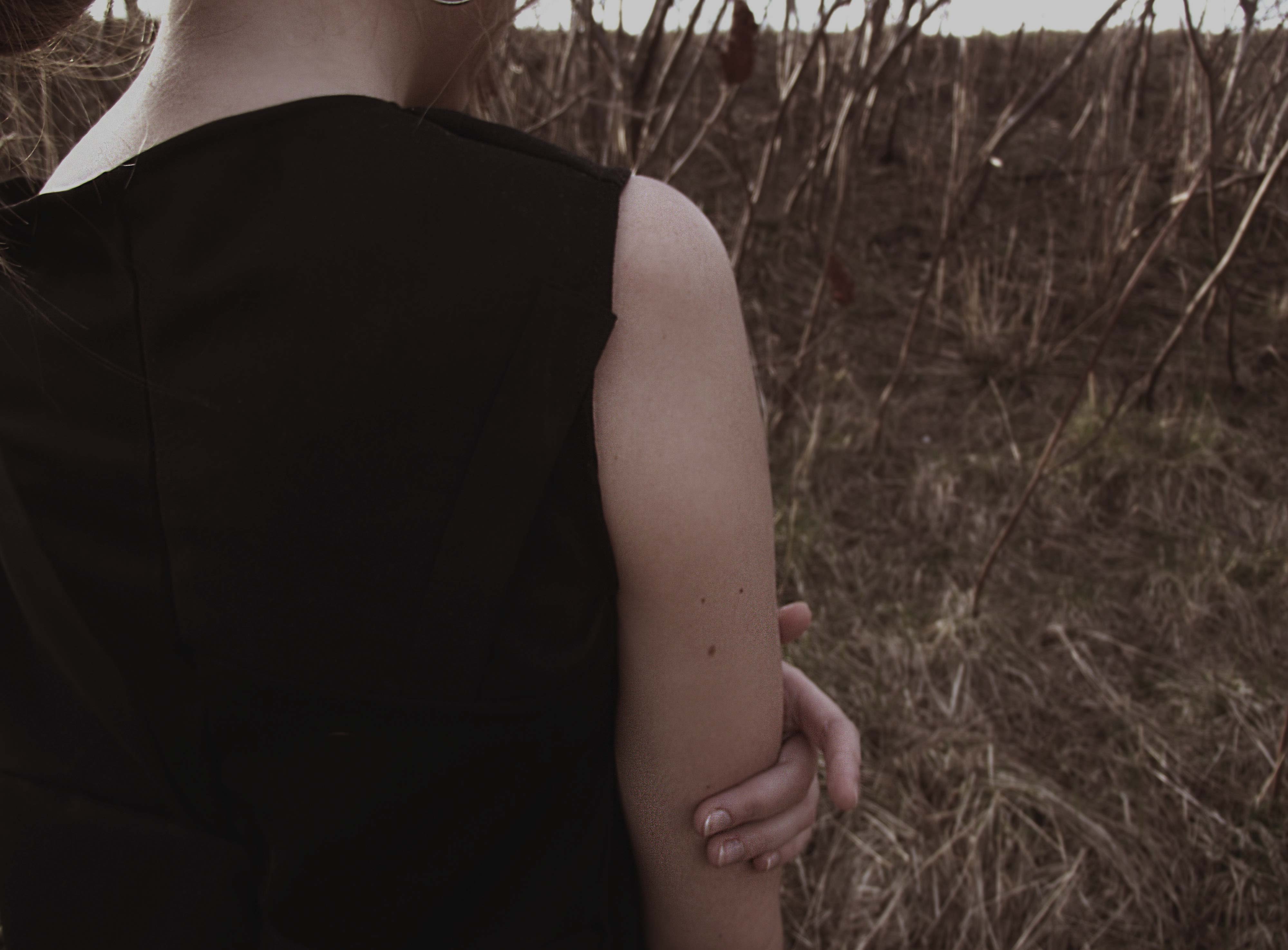
Something that has multiple uses and can be used in a multitude of ways? An item that remains the same over time but
can
be altered with accessories?
Choosing a piece should be well considered and one should ask the important questions.
Such as ‘how will I get the most out of this item? Pieces that are defined as classic today tend to have been born out of a need. They came from a place of practicality and function.

Origins of the little black dress go quite far back into time but it was in the 1920s when it transitioned into an essential. Designs of Coco Chanel and Jean Patou were what truly made it the classic it is today.
The LBD is a piece that is intended to be long
lasting, versatile, affordable and is
said to be something that will take you practically anywhere. It is accessible to
the widest market possible and is in
a neutral colour.
First designed as work pants for minors, cowboys, and those who needed something sturdy and protective to wear while working. Levi Strauss was the first company to manufacture jeans in the 1870s.
Jeans are able to make no distinction between classes, gender and
age groups. Throughout the years the hemline and
waistline have differed but it
remains
a key component to everyone’s wardrobe.
English polo players wore turtlenecks in the 1860s. In the 1920s, they became a middle-class fashion trend.
Early feminists made them into a unisex item. Since the middle of the 20th century,as the uniform of radical academics, philosophers, artists
and intellectuals.
The turtleneck is something that has
been
resilient within the world of fashion.
Its lifespan surpasses all other trends.
It has made its way into each decade as
a pro-fashionable choice and does not live
in a particular
place in time.